Late-Diagnosed ADHD in Women: When The Struggle Finally Has a Name
For a lot of women with ADHD, the effort was always there. The follow-through just kept getting interrupted. This post explores why ADHD in women often goes unrecognized and how it quietly shapes relationships, from an ADHD therapist in Maryland.
Why ADHD in Women Can Go Unrecognized
Many women with ADHD never fit the stereotype people expect, because the version of ADHD most people were taught to recognize was never really built around them.
You may have been the student who got good grades, stayed quiet in class, and appeared responsible on the outside. But beneath that image was often an exhausting amount of overcompensating: staying up later than everyone else to finish assignments, relying on urgency to get things done, overpreparing out of fear of failure, and silently carrying the overwhelm of trying to keep everything together.
A lot of women with ADHD learned how to compensate before they ever realized they were compensating. Maybe you became the reliable one. The organized one. The high achiever. The one who always figured it out somehow. What people often did not see was how much pressure, urgency, perfectionism, and constant internal criticism were happening underneath that image just to keep everything functioning.
Over time, the mask can become so normalized that even you may not realize how much you are struggling underneath it. If you were getting good grades, showing up for other people, or meeting expectations on the outside, there may not have been much room for anyone to recognize what was happening internally.
Instead, the overwhelm often gets interpreted as anxiety, emotional sensitivity, disorganization, or a need to simply “try harder.” For many women, ADHD is not missed because the symptoms are absent. It is missed because the symptoms are hidden underneath years of coping, masking, and overcompensating.
What It Actually Looks Like on the Inside
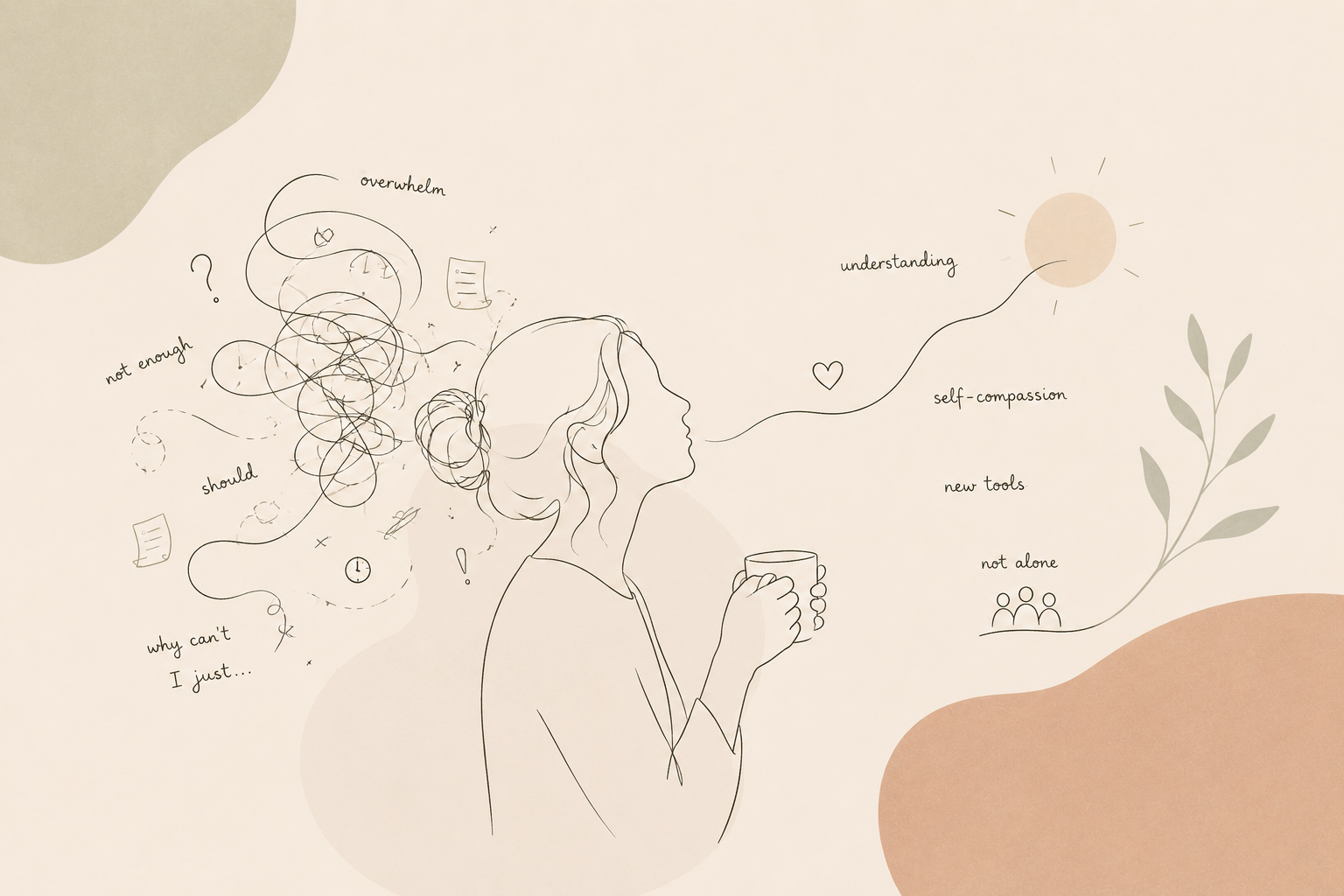
From the outside, it can seem like things are fine. You are still showing up, still getting things done, and keeping enough moving that nobody around you would necessarily know something feels off. But underneath that, there is often a level of mental noise that does not really quiet down. Even when you are trying hard, even when you are doing your best, life can still feel like it requires more effort than it seems to for the people around you. Not because you are doing anything wrong. Just because your brain is working harder than anyone can see.
Something that does not get talked about enough is how exhausting it is to just hold everything in your head at once. When everything feels equally urgent, figuring out where to even start can become its own kind of overwhelm. An unanswered text, an email sitting in your inbox, a form you have been meaning to fill out, a phone call you keep putting off. The longer something sits there unaddressed, the heavier it tends to get. What might look like avoidance from the outside is often something closer to a system that has become so overloaded it does not know where to begin.
Not because you do not care. Often you are thinking about it more than anyone realizes. But caring about something and being able to start it are two completely different things when your nervous system is already at capacity. Over time, that becomes its own cycle. The overwhelm makes it harder to start, not starting creates shame, and the shame makes the whole thing feel even bigger than it already was.
There is also a kind of exhaustion that comes with ADHD that does not always show up in obvious ways. Not the kind of tired that sleep fixes, but the kind that builds from years of working twice as hard just to appear like everyone else. Monitoring yourself constantly. Managing what shows and what does not. After a while that wears on you in ways that are hard to explain and even harder to recover from.
One of the more painful parts of all of this is that the inconsistency makes it hard to give yourself any grace. Because you have seen what you are capable of. You have been focused before. Productive, creative, completely on top of things. That version of you is real and you know it. Which is exactly why it hurts so much when you cannot find her. The shame around ADHD inconsistency is often not about a lack of ability. It is about knowing what you can do and not being able to predict when you will be able to do it. That gap is where a lot of the self-doubt quietly takes root.
When the Struggle Becomes a Story About Who You Are
At some point, the struggle stops feeling like something that's happening to you and starts feeling like something that's wrong with you. It's a slow shift. It doesn't happen all at once. And after enough of those moments, something shifts. The struggle stops feeling like a hard season and starts feeling like a personality flaw.
For a lot of women with ADHD, what it settles into is some version of being both too much and not enough at the same time. Too emotional. Too sensitive. Too reactive. And somehow still not pulling it together the way everyone else seems to. Both things feeling true at once is part of what makes it so disorienting. Because they feel like they cancel each other out, but they don't. They just both feel true.
What makes these beliefs stick is that they're not built on nothing. Someone probably told you at some point that you had so much potential. And you held onto that. But potential is a strange thing to carry when you're watching yourself struggle with things that seem to cost other people nothing. You showed up fully sometimes. Other times you couldn't, and you never quite understood why. Your feelings got called too much. What was underneath them rarely got asked about. After a while, it stops feeling like you're someone who struggles with certain things and starts feeling like you're just someone who can't get it together.
And eventually you don't even need anyone else to tell you that. So you start doing it to yourself. This time will be different. You set the reminder, make the list, mean it completely. And then it happens again anyway. And the story you tell yourself isn't that the approach wasn't working. It's that you are the problem.
A lot of the things people tend to praise in women with ADHD are quietly rooted in this. Perfectionism is gap-closing. Getting there before anyone else can point it out. Overexplaining is what years of being misread does to a person. The overexplaining isn't defensiveness. It's what happens when you've been misread enough times that you start trying to get ahead of it. The constant apologizing, the not asking for help, the becoming the person who holds everything together for everyone else so that nobody's looking too closely at what you might be dropping. These aren't personality traits. They're what coping looks like when it's been going on long enough to feel normal.
And over time, the shame gets so woven into how you see yourself that it stops feeling like a reaction to hard experiences. It just feels like the truth about who you are. And that's the part that's hardest to talk someone out of. Not because it's accurate. But because it's been the operating assumption for so long that questioning it feels like the strange thing to do.
The Grief of Late-Diagnosed ADHD
A late ADHD diagnosis is often talked about as a moment of relief. And it can be. Finally having language for something you have spent years trying to explain to yourself, and never quite finding the words for, does something. It's clarifying in a way that's hard to describe.
But relief isn't usually the only thing that shows up.
Sometimes what comes alongside it is grief. Not instead of the relief. At the same time. And going back and forth between both of those things, feeling confused, overwhelmed, and frustrated, sometimes all in the same hour, is more normal than most people talk about.
You may suddenly realize how long you spent blaming yourself for something that had a name the whole time. And once that lands, it changes how you look at a lot of what came before it.
The friendships that didn't survive because you seemed “unreliable”. The relationships where you were told that you “didn't care enough”. The jobs that were harder to hold onto than they should have been. The years you spent convinced you were lazy, dramatic, irresponsible, or just wired wrong somehow. The younger version of you who kept trying harder without ever understanding why it wasn't working.
And that's a lot to sit with.
For a lot of women, the grief is specifically about how invisible it all was. You were surviving underneath the appearance of functioning, and nobody around you fully saw what that was costing. You were probably even praised for holding it together. You may have spent years in therapy working on things that were real, but that never quite got to the root of what was actually going on. And at some point, you might find yourself sitting with a question that's hard to shake: What could have been different if someone had seen it sooner? What relationships might have survived? What opportunities might not have slipped? What would it have felt like to move through the world with the right support, instead of quietly building coping strategies for something nobody had named or noticed in you yet?
That's not self-pity. It's just an honest thing to sit with.
Part of healing is being allowed to acknowledge that things could have been different. That the younger version of you deserved more context than she got. That it would have been okay to need more support than you were given. You're allowed to feel something about that, even while you're also grateful to finally have answers.
The grief of a late diagnosis isn't a sign that you're stuck or that you're not doing the work. It's what happens when one piece of information changes the meaning of your entire history. That's not small. And it doesn't have to be rushed through.
The Reframe
Understanding yourself later in life does not erase the hard years. It does not suddenly make the burnout disappear or undo the grief that can come with realizing how long you spent blaming yourself for something you never had the right language for. But it can start to change what those years mean.
The struggle was real. And it finally has context.
A lot of women with late-diagnosed ADHD spent years seeing themselves through the lens of failure. Not trying hard enough. Not being disciplined enough. Not being consistent enough. But when the context changes, the story can start to change too. Maybe those years were not proof that you were lazy or broken. Maybe they were years of surviving something difficult without the support, understanding, or tools you actually needed.
And sometimes that shift changes the way you look at the younger version of yourself, too. The version of you who kept trying harder. Who kept making promises to herself and meaning them. Who kept wondering why things that looked manageable for other people seemed to cost her so much. You may start to see her with more understanding than criticism. Not as someone who failed, but as someone who was doing the best she could with information she did not yet have.
The things you developed to survive may start to make more sense too. The perfectionism. The overexplaining. The caretaking. The constant apologizing. None of those things came out of nowhere. They were ways of adapting to an experience that felt confusing, overwhelming, and emotionally expensive for a very long time. That does not mean all of those patterns still serve you. But understanding where they came from can soften the way you relate to them.
And slowly, the self-criticism can start to lose some of its authority. Not all at once. Not overnight. But enough to create a little more space between what happens and what you make it mean about who you are. Enough to start questioning whether shame deserves to be the voice that explains you to yourself anymore.
When The Struggle Finally Has Language
There is a different kind of relief that can come from finally understanding yourself more clearly. Not because everything suddenly gets easier, and not because the hard years disappear, but because the story starts making more sense. You are not forcing yourself to keep interpreting every struggle as a personal failure anymore.
And sometimes healing starts there. Not with fixing everything immediately, but with finally having somewhere to put all of it. The grief. The anger. The confusion. The exhaustion of carrying something for years without fully understanding what it was. Being able to talk about that honestly, without feeling rushed through it or needing to make it sound smaller than it actually was, can matter more than people realize.
A lot of women with late-diagnosed ADHD also realize how little they trust themselves anymore. After enough missed deadlines, forgotten things, overwhelm, shutdown, and self-criticism, self-trust starts to erode quietly. You stop believing your own intentions. You stop fully believing yourself when you say, “This time I'll stay on top of it.” Part of healing is not becoming a completely different person. It's slowly rebuilding a relationship with yourself that is not rooted entirely in shame.
And maybe one of the hardest parts of carrying all of this for so long was how alone it felt. So much of the struggle happened internally. Other people saw the functioning version. The coping version. The version that kept finding a way to make it work somehow. They usually did not see what it was costing you underneath that.
Learn more about how I approach ADHD Therapy here.
Why Anxious and Avoidant People Are Drawn to Each Other (And Why It Feels So Intense)
Anxious and avoidant relationships often feel intense, confusing, and hard to walk away from. This post breaks down why that dynamic forms, why it escalates, and what starts to shift when you begin to understand your role in it, from a Maryland therapist.
Why The Anxious-Avoidant Cycle Feels Really Good At First
At first, it feels really good.
You notice you’re thinking about them more than you expected to. You check your phone to see if they’ve texted. And when they do, it feels good in a way that’s hard to explain, even if it’s just something small. There’s something about them that stands out.
They’re not overly available. They’re a little harder to read. And instead of that turning you off, it makes you more interested. You find yourself paying more attention, wondering what they’re thinking, wanting to understand them.
It feels like chemistry. Like there’s a spark there right away, something that makes this feel different from other connections you’ve had.
And it doesn’t feel overwhelming yet.
It feels like a connection without too much pressure. Like you can be in it without everything feeling high-stakes.
But at the same time, there’s a pull. You care a little more than you expected to this early on. You want it to go somewhere. You want them to choose you. And in the beginning, that all just feels like a good thing. It’s new, exciting, exhilarating, unpredictable, and yet maybe… familiar.
Then Something Starts to Shift
And then, at some point, something starts to shift.
It’s not always obvious at first. There’s no fight or explicit blow-up, no argument and no clear moment you can point to. Nothing that would even make sense to explain if someone asked what changed.
But you feel it.
Replies get a little slower. Plans don’t feel as solid. The energy is just slightly different, and you notice it even if you can’t fully explain it. You start paying attention in a different way. Not the good kind, the kind where you’re looking for clues.
What used to feel like butterflies in your stomach starts to feel more like dread, anxiety, and worry.
You’re still thinking about them constantly, but it’s not the same kind of thinking. You’re replaying things. Wondering what changed. Trying to figure out if you said something, did something, came on too strong, or not enough. Trying to solve something you can’t even fully name yet.
And on the other side of it, something is shifting too, just in a different way.
The closeness that felt exciting starts to feel like weight. Like there are expectations now that weren’t there before. Like showing up fully in this relationship requires something that feels risky to give. It’s not that they don’t care. It’s that caring this much starts to feel like a lot to hold.
So there’s this pull to create some space. Not a conversation about it. Not an explanation. Just… less. A little less available. A little less present. Hoping some distance makes it feel more manageable.
Now one person is moving closer and one person is moving away. And neither of them is doing it to hurt the other. They're both just reacting to the same shift, from completely different places, in completely different ways. And more often than not, nobody's saying any of that out loud.
That’s usually where it starts to get hard.
Why You’re Drawn to Each Other
There’s usually something about each other that just… fits in a way that feels familiar, even if it doesn’t feel good later on.
If you tend to lean more anxious, you might find yourself drawn to people who feel a little harder to fully reach. There’s this pull to get closer, to understand them, to feel chosen by them in a way that really sticks.
And if you lean more avoidant, being with someone who wants closeness can feel good at first, too. It can feel affirming to be wanted, without having to fully give up your space right away.
So both people are getting something that makes sense to them, at least in the beginning.
It just doesn’t stay that way. Because what feels good in the beginning doesn’t stay balanced. It starts to pull in opposite directions.
The more one person moves closer, the more the other starts to need space. And that’s where the dynamic really begins.
Why It Becomes So Intense
Once that shift happens, it doesn't stay small for long.
The more you feel that distance, the harder it is to just sit with it. So you reach a little more. You check in more. You replay the good moments and try to figure out how to get back there. You're not planning it or calculating it. It just feels like something is wrong and you want to fix it. You want to understand it. You want to feel close again.
And they feel that. But it doesn't land the way you mean it.
For them, it starts to feel like pressure. Like there's something being asked of them that they don't know how to give, or aren't sure they're ready to give. And even if they care about you, even if they want to show up, something in them needs to step back. So they do. Not in a way you can easily point to or call out. Just quieter. A little less there. And you feel that too.
So you reach a little more. And they pull back a little more. And you're not doing it to hurt them, and they're not doing it to hurt you. You're both just responding to how it feels, in the only way that makes sense in the moment.
But it keeps going. And instead of settling, it starts to feel more intense. More consuming. Like the stakes keep getting higher the longer it goes on.
Because at some point it stops feeling like two people figuring something out and whether or not you like each other, it starts to feel like something you could lose, or something you can never quite fully have. And that combination, that push and pull, is what makes it so hard to just let it be, or walk away from it.
Why It’s So Hard To Leave
It's not that you don't know something is off. You probably do. You've maybe known for a while. But knowing doesn't make it easier to walk away. Because it's not just about whether it's working. It's about what it feels like when it is working. And when it is, it feels like something you haven't felt with a lot of people. That part stays with you.
So you hold onto the moments where it felt right. Where they were fully there. Where it felt like exactly what you'd been looking for. And some part of you believes that version of things is still possible. You just haven't found the right way back to it yet.
You give a little more space. You reach out a little less. You wonder if you're too much, or not enough, and you quietly adjust. Not because something is wrong with you. Because you care, and you're trying.
And then there are moments where it does come back. Even briefly. And that's enough to reset everything.
That's what makes it so hard to leave. Not the hard moments. The good ones. The almost. The feeling that you were so close, and maybe still are.
And underneath all of it, there are two people who are scared, just of completely different things. One of you is afraid of losing the relationship. The other is afraid of what it means to fully let someone in. And because neither of those things ever really gets said out loud, they just quietly shape everything.
That's not a flaw. That's what this pattern does. And it's exactly the kind of thing that starts to make more sense when you have the right support.
What Starts To Change When You Have Support
What starts to change isn’t that you stop feeling any of this, or that the same situations don’t come up anymore.
You still notice when something feels off. You still feel that pull to get closer when someone pulls away, or that instinct to create distance when things start to feel like too much. That part doesn’t just disappear.
But you stop moving into it the same way.
You're not trying as hard to get back to how it felt in the beginning or beating yourself up for where things are at. You're not adjusting yourself as quickly, or shrinking as fast, just to keep things from slipping. There's a little more space between what you feel and what you do next. And that space, as small as it sounds, is actually where things start to change.
Because when you're not responding the same way, the pattern can't keep playing out the same way. It needs both parts to keep going. When your part starts to shift, even slightly, the whole dynamic has to move with it.
You start to see what's actually happening instead of just reacting to it. What you're actually feeling versus what you're afraid is happening. Those two things can feel identical when you're in it. They start to feel different.
And over time, that changes what you're drawn to. What feels like a real connection and what just feels familiar start to become easier to tell apart. What you're willing to keep adjusting yourself for starts to feel clearer, too.
It's not a dramatic shift. It doesn't happen all at once. But it's real. And it's usually quieter and steadier than people expect it to be.
This is the kind of thing that can be hard to untangle on your own. Not because something is wrong with you, but because you've been inside of it for a long time - it’s hard to see the forest from the trees. Having a space in therapy to look at it clearly, without judgment, and without having to manage anyone else’s reaction while you do, can start to shift how all of this shows up.
Learn more about how I approach Attachment Style Therapy here.
What Avoidant Attachment Actually Looks Like (It’s Not Just “Needing Space”)
If you find yourself pulling away when things start to feel close, avoiding deeper conversations, or needing space when connection increases, this might feel familiar. This post breaks down what avoidant attachment actually looks like and where it comes from.
What Avoidant Attachment Feels Like
At first, nothing really feels wrong.
You like this person. Spending time with them feels good, easy, maybe even a little exciting. There's nothing to point to. Nothing feels off that you can point to, and you enjoy them.
But then things start to get closer, feel more serious, more “real”, and something changes.
You want more space. Not for any real reason that you can name, just this sense that things are moving a little too fast, or that you need some room to breathe. You pull back without totally meaning to.
And when someone starts wanting more emotional closeness, even someone you actually care about, it can feel like this quiet pressure. Like you're supposed to open up or let them in, and some part of you just... isn't there yet. Doesn't feel okay with that.
So you don't lean in. You lean out.
You figure things out on your own. You keep stuff to yourself. A little (or a lot) of distance just feels more comfortable, even if you can't fully explain why.
Here's the part that tends to be confusing, though. It's not that you don't want to be close to people. You actually do. It's that when the closeness actually starts to happen, something inside of you gets uncomfortable, and so you start to pull back.
You create distance even when you don't really want to.
How This Starts To Show Up
Once things start to feel more real, it doesn't just stay an internal thing. It starts to show up in how you actually show up in the relationship.
You respond a little less, or not at all. You claim to need more space, or just stop replying and engaging completely for a while. You feel and act less available than you did before, even if nothing specific happened to cause that. Sometimes it looks like being busy or having a lot going on, but really it's just a way of creating some distance without having to say that out loud.
Hard conversations start to feel like too much, so you put them off, or you avoid them altogether. Not because you stopped caring, but because staying in something emotionally heavy feels harder than stepping back from it.
You might go from feeling really into someone to suddenly feeling kind of distant, like the connection isn't there anymore or like something is off. But you can’t name what actually happened and why. The feeling just changed, and you can't totally explain it.
So you pull away. Not always in a big, obvious way. But enough that the other person can probably sense it. And even when part of you notices what's happening, it still feels hard to do anything different in the moment.
Where This Comes From
No one wakes up one day and decides they want to have an avoidant attachment style.
It usually goes back to early relationships. The people you depended on growing up, caregivers, family, whoever was supposed to be there for you emotionally. Not always in some big dramatic way, but over time, if reaching for connection or expressing a need didn't really go anywhere, you start to pick up on that.
You learn, pretty early, that you can't fully count on other people for that stuff.
So you adjust. You stop reaching as much. You start figuring things out on your own, keeping your needs to yourself, not expecting too much. It's less of a decision and more of just what starts to feel normal.
And the need for connection is still there. It just starts to feel safer to keep it at a distance than to depend on the connection holding. Because depending on it and then not having it show up feels worse than just handling things yourself.
Then, this becomes the blueprint that you follow in your relationships. You stay connected to people, but only up to a certain point. You keep things at a level that feels manageable. And you get pretty good at protecting yourself from the parts of relationships that feel too uncertain or too much.
It's not a flaw. It's something that made sense at some point. It just tends to follow you.
You Can Want Connection And Still Pull Away
This is probably the part that feels the most confusing, for you and for the people close to you.
Because you do want connection. You care about people. You're capable of feeling something real with someone. That part is true.
But there's also this other part that doesn't fully let people in.
Closeness doesn't just feel like connection. It also feels like a risk. Like being seen in a way that might not be safe, or letting someone get close enough to hurt you. So even when you do feel something, there's this pull to keep it contained. To not go all the way there. The emotions are usually there. They're just kept at a distance because that feels more manageable than actually letting someone in.
And the closer things get, the more that tension builds.
You want the connection, but not the part where you need someone. You want closeness but not the possibility of being rejected, disappointed, or feeling exposed. And when those things start to feel like they could happen, pulling away just feels like the smarter move.
So you create space.
Sometimes that looks like distancing. Sometimes it looks like losing interest out of nowhere. Sometimes it just looks like not going any deeper, even when part of you wants to.
Not because you don't care. But because protecting yourself feels safer than risking getting hurt.
What Begins to Feel Different Through Therapy
The shift isn't dramatic. It doesn't look like suddenly becoming more open or wanting to be close to everyone all the time. It's actually a lot quieter than that.
The same moments still come up. Someone wants to have a deeper conversation. They ask how you're feeling. They want a level of closeness that would have felt like too much before. But something is a little different now.
Instead of immediately pulling back or shutting it down, you notice the urge to create distance before you act on it. There's more awareness of what's actually happening. Not just "I need space," but some sense of why it feels that way in that moment. The instinct to deflect or check out is still there. But you stay in it a little longer than you used to.
Maybe you actually answer the question instead of changing the subject. Maybe you say something like "I don't really know how to talk about this" instead of just going quiet. Maybe you let someone see a little more of what's going on, even when that feels uncomfortable. It's not about forcing yourself to be vulnerable. It's more about not automatically shutting it down.
And over time, that starts to change how closeness feels. Less overwhelming. Less all-or-nothing. You start to realize that letting someone in doesn't mean losing yourself, and that needing space doesn't have to mean completely disconnecting.
That's a lot of what gets built in therapy. Having a place where you're not expected to perform or open up on command, but you're also not totally closed off. You move at your own pace, with someone who isn't going anywhere or asking you to be different than you are.
And slowly, staying gets a little easier. Not perfectly. Not every time. But more than before.
That's where it starts to feel different.
You’re not broken for needing space, and you’re not “bad at relationships.” The way you learned to protect yourself made sense for what you were navigating at the time. It worked in the environments where you needed it to.
But you don’t have to stay in that same pattern if it’s no longer working for you.
You’re allowed to want connection and still need space. You’re allowed to take your time, to not have it all figured out, and to learn how to let people in in a way that actually feels safe.
And you don’t have to figure that out on your own.
Learn more about how I approach Attachment Style Therapy here.
What Anxious Attachment Actually Looks Like (And Why It's Not Just "Being Needy")
What anxious attachment actually looks like in relationships, including overthinking, needing reassurance, and fearing abandonment. Learn where it comes from and why understanding it hasn’t been enough to change it.
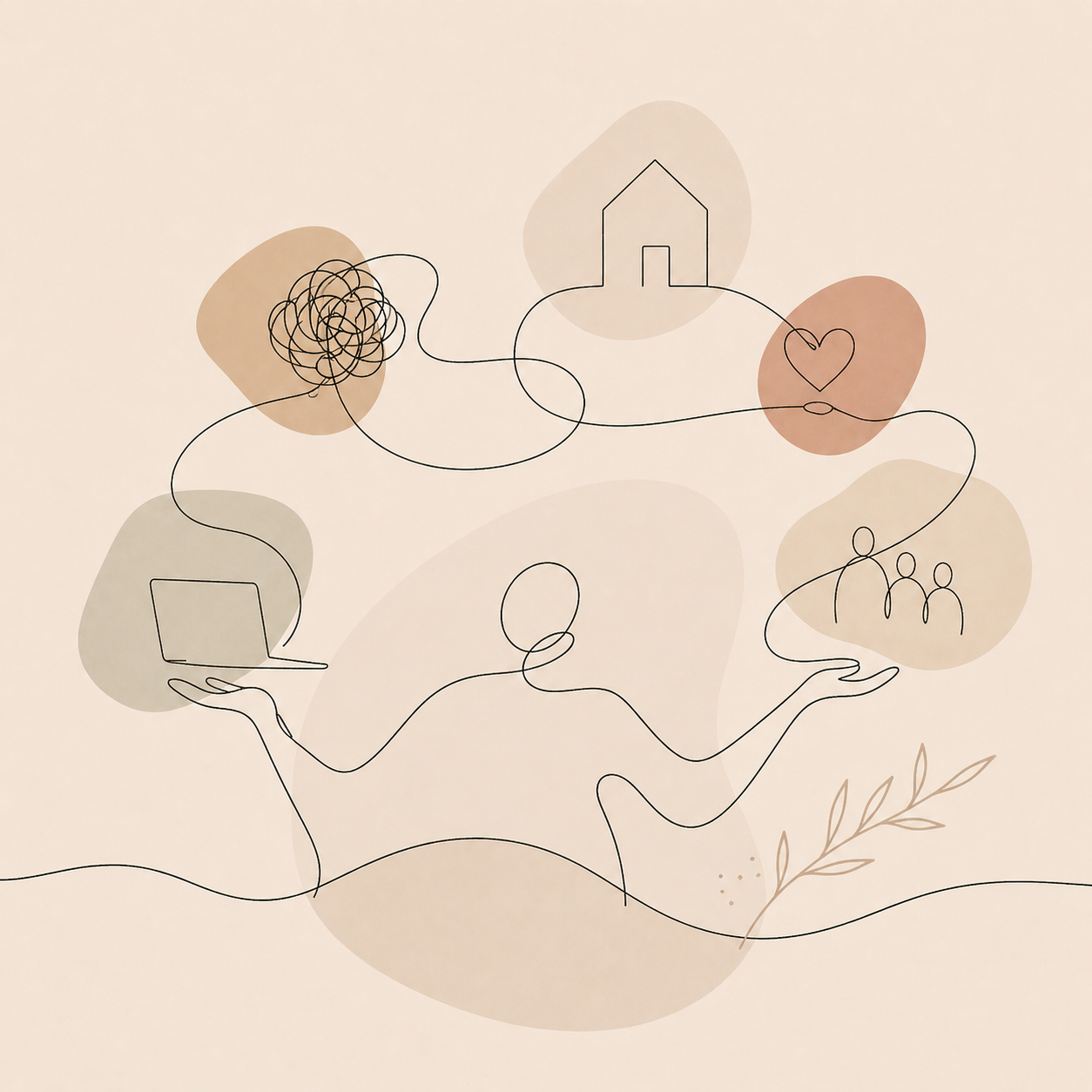
What Anxious Attachment Actually Feels Like In The Moment
Someone takes a little longer to respond. They're active on social media but haven't replied to you. Their tone feels slightly different. They seem a little more distant than they were before.
At the beginning of a relationship or friendship, things can feel really consistent. They're responsive, attentive, and engaged. And then something shifts. Even if it's subtle. Even if it has nothing to do with you.
But it doesn't feel subtle when you're the one experiencing it. It doesn't just register as a change in communication; it feels like something is wrong, and that you need to do something about it.
You start to question it. Did I do something to cause this? Are they losing interest in me? Are they pulling away? Why aren’t they showing as much interest as before? And even if part of you knows that there could (and most likely is) a reasonable explanation, it doesn't fully land or feel true.
Because it doesn't stay at the internal belief or gut feeling of "something feels off." It starts to mean something about you.
You might start thinking you did something wrong, or that you’re not enough. It can quickly turn into a thought spiral: they’re going to leave, or this was never going to last anyway. And sometimes, before anything has actually happened, you’re already bracing for the end of it.
How This Can Show Up
Once that thought is there, it doesn't just sit quietly in the background. It starts to build, and before long, you're going back through everything. Replaying conversations, trying to figure out what might have changed, looking for the moment things shifted. The more you think about it, the more certain it starts to feel that something is actually wrong, even when you don't have real proof of anything.
And then what you do starts to change, too.
Sometimes you hold back completely. You don't reach out even though you want to, because you don't want to come across as “too much” or “too needy”. Other times, it goes in the opposite direction - you feel the urge to reach out multiple times, double or even triple texting, trying to get some kind of response or clarity so that you can actually settle down and not be stuck in your head. You also might start setting an internal timer, thinking about how long you should wait before responding, so that things feel more balanced, even though no one is keeping score. If they took 3 hours to text back, you take 6 hours to even the score. You check your phone more often. You reread the last few messages. You look for signs that something is off.
At the same time, there are things you want to say, but don’t. You want to say, “I think I’m overthinking, and I just want to check in.” Or, “I need a little reassurance right now.” Or even, “I get anxious when I don’t hear from you, and I’d really appreciate a bit more consistency.”
But you don’t say it.
Because you don’t want to come across as too much. You don’t want to push them away. You don’t want to be that person…so you try to handle it on your own.
And then, you’re left stuck in the familiar cycle where you feel the anxiety, try to manage it alone and quietly, adjust how you show up so that you don’t seem like a burden. But deep down, there’s still the part of you that wants closeness, reassurance, and clarity.
Where This Comes From
Anxious attachment style patterns and behaviors aren’t random or your fault. These patterns can be traced back to early relationships, and most often our primary caregivers - the people you depended on for connection, safety, and reassurance growing up.
If that care felt inconsistent, like if sometimes they were available and attuned to your needs and emotions, yet other times they weren’t, you likely learned to pay really close attention to it. You learned to notice shifts, to pick up on subtle changes in tone, and to feel it in your system when something was even slightly off.
Because those shifts don’t just feel like neutral changes. They can start to feel like something you could lose.
So, you adjust around that. You become more focused on them, how they’re feeling, what might be going on, what you need to do to stay connected, or get things back to how they were. And a lot of the time, that means putting your own needs to the side. Not because your needs don’t exist, but because maintaining the connection feels much more important than honoring yourself.
When connection doesn’t feel consistent, you might also learn that you have to do something to get it back. To reach, to react, to try to get reassurance in whatever way works. It’s not really a choice in the moment; it just becomes how you respond.
And over time, that turns into a pattern.
You want closeness, but you don’t fully trust that it’s going to stay, so when something shifts, even a little, your system reacts pretty quickly. Not because you’re too much or overreacting, but because this is something your attachment and nervous system learned to do to keep the connection in the first place.
You Can Know All of This and Still Feel Stuck
The most frustrating part? You can understand all of this and still feel the spiral happening. You can name the pattern in real-time and still find yourself checking your phone every three minutes. That’s because insight alone doesn’t turn off a physiological reaction. You might be able to tell yourself that you’re overthinking, or that they’re probably just busy, and on some level, you actually believe that. But it doesn’t fully land in the moment, and it doesn’t change how it feels in your body when something shifts.
A lot of the time, it actually feels like two things are happening at once. There's the part of you that gets it, that can name what's going on and even tries to talk you through it. And then there's the part of you that still feels it anyway. That second part doesn't just disappear because the logical part is also there.
And that’s the part that people don’t always realize. It’s not just overthinking. It’s your nervous system responding in a way that it learned to respond early on. You can’t think your way out of a nervous system reaction. You can understand exactly why it’s happening and still feel every part of it.
So even while part of you is saying, “I know what this is,” another part of you is still caught in it. The thoughts keep looping, and the urge to check, to reach out, to do something to feel better doesn’t just go away because you understand where it’s coming from.
Sometimes you might even notice yourself trying to manage it “the right way,” like waiting longer to respond, trying not to double (or even triple) text, telling yourself to just sit with it, and it still doesn’t actually make the feeling go away. It just makes you more aware of how hard you’re trying not to react.
That’s usually where the frustration comes in. It starts to feel like, “I already know this, so why can’t I just stop?” or “If I understand it, shouldn’t that be enough?”
And when it keeps happening, it can turn into being hard on yourself. Like you should be able to control it better, or you should be further along by now, or that you’re somehow doing it wrong because you still feel this way.
But this isn’t a willpower problem, and it’s not a logic problem. It’s something that was wired in over time, and it lives in your body as much as it does in your thoughts. And it makes sense that something learned that deeply doesn’t just turn off because you understand it now.
Insight helps, but it doesn’t undo the pattern on its own. It’s the starting point, not the part that actually changes it.
What Begins to Feel Different Through Therapy
The shift doesn’t happen all at once, and it doesn’t look like never feeling anxious again. Most of the time, it shows up in smaller moments that you might not even notice right away.
The same trigger still happens. They take longer to respond, their tone feels a little off, something feels different, and you still feel it. That part doesn’t just go away. But what you do with it starts to change in a way that’s subtle at first.
Instead of immediately spiraling, there’s a pause. You notice what’s happening without getting completely pulled into it, even if part of you still wants to. The thoughts still come up: “Did I do something wrong? Are they pulling away?”, but it doesn’t land as fast or as hard as it used to. There’s a little more space between the feeling and what you do next.
And in that space, something different starts to happen. You’re able to slow it down a little, remind yourself that there could be other explanations, and that something feeling different doesn’t automatically mean something is wrong. It’s not that the anxiety disappears. It’s that it doesn’t run the whole moment in the same way.
That’s something that gets built over time in therapy. Not just understanding the pattern, but actually learning how to stay with the feeling without reacting the way you always have, and having a space where you’re not navigating it on your own.
The urgency starts to shift, too. The need to check, to reach out, to get reassurance isn’t as immediate, and when you do respond, it comes from somewhere more grounded instead of from panic or trying to fix something as quickly as possible.
Over time, that starts to build into something steadier. You trust yourself more, not because the anxiety disappears, but because you know you can feel it without it taking over completely. You stop automatically assuming the worst every time something feels a little off, and you don’t feel like everything is about to fall apart in the same way.
It can feel unfamiliar at first, and often even uncomfortable, because you’re not reacting the way you normally would. But every so often, you catch yourself and notice that something was different. That you handled it differently.
And that kind of shift doesn’t happen from just understanding it on your own. It happens from having a space where you can actually slow it down, notice what’s coming up, and start responding to it differently in real time. Where you don’t have to figure it out by yourself or get it “right,” but can build that sense of steadiness over time.
Understanding the pattern is one thing. Having support to actually change it is another.
Learn more about how I approach Attachment Style Therapy here.
The Eldest Daughter Experience: Why You Carry More Than You Should
If you’ve always been the “responsible” one in your family, you may be carrying more than you realize. This post explores the eldest daughter experience and how it impacts your relationships, boundaries, and sense of self.
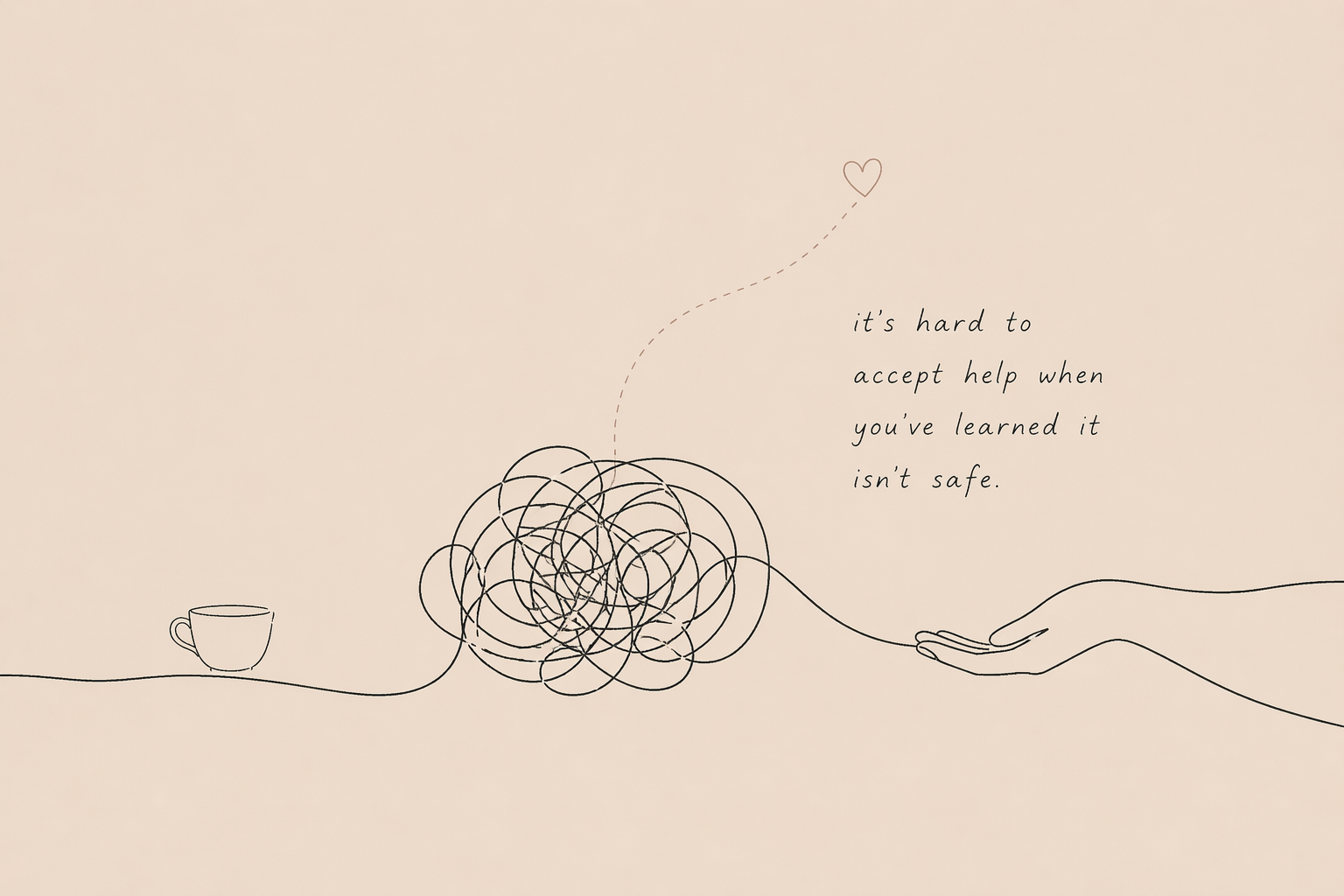
When You’re The One Who Handles Everything
You grew up being called the "responsible" one and "mature" for your age. The one who was always so careful, self-aware, and an "old soul". Eventually, you just started wearing these labels like a badge of honor. Your friends turn to you for advice, your family members confide in you, and even strangers at the airport or grocery store start to tell you their life story without even asking your name. When you enter a space, you’re paying attention to things most people don’t even think about - shifts in tone, who seems off and might need help, what the energy in the room feels like, and whether someone might need something before they even say it.
Without really thinking about it, you adjust. You show up as steady, helpful, and easy to be around. Someone who can handle things. At the same time, you’re managing yourself, not having your own needs or emotions, and making sure you’re not adding to anything or making things harder.
Over time, you become the one people turn to. The one who keeps things calm. The one who helps everyone else regulate. This can start really early. With siblings, you take on a role that feels more like a parent. With parents, you show up in ways that feel more like you are supporting them, rather than their child, who needs their support.
You’re already anticipating what might be needed and preparing to take care of it, often before anyone even asks.
It Starts Earlier Than People Realize
It doesn't usually start in an obvious way. A lot of the time, it looks normal.
A parent venting to you about the other parent. Turning to you when they're stressed or overwhelmed. You listen, validate them, and sometimes try to fix whatever is going on (even though you didn’t cause it). Maybe you weren’t explicitly asked to take on this role, but you start to feel responsible for it anyway. It fit, so it stuck.
At the same time, you're paying attention to how much your parent is already carrying. You don't want to add to it. So you start to adjust. You take initiative without being asked. You monitor what you say. You listen more than you share.
You try to do things right. You hold yourself to high expectations. You avoid making mistakes. You focus on being helpful and not creating more stress.
Over time, this becomes the way you show up. Not because it was ever really your job, but because it was what the environment seemed to need from you.
There Wasn’t Really Space For You
Because you were the one holding everything together, you didn’t really get to be a kid. There wasn’t room to make mistakes, to need help, or not be the steady, easy one. So you learned to keep it in and figure it out on your own.
Over time, you stop acknowledging your own needs, your own stress, and how much you’re actually carrying. You get used to being the support system instead of having one.
You stop asking for help. You stop expecting it. You anticipate other people’s needs, carry their emotions, and feel responsible for how things turn out.
It’s not just that you became responsible. It’s that there wasn’t really space for you not to be. Even if no one said it directly, there was an understanding that if you stopped holding everything together, things might actually fall apart. And it was your job to make sure that didn't happen.
It Doesn’t Just Stay In Childhood
This doesn’t just go away when you get older. It follows you into your relationships, your work, and the way you move through your day.
You make sure everyone else is okay. You pay attention to whether people are having a good time, if something feels off, or if someone might need something. You step in before anyone even asks and anticipate their needs.
Maybe you take on more than what’s expected of you. Extra things at work. Extra emotional labor in your relationships. You continue managing your family’s emotions, even as an adult.
You avoid vulnerability. You avoid anything that could be perceived as a burden. You keep things to yourself and figure it out on your own.
You hold yourself to high expectations. At work, you’re the one who gets things done and does them well. In relationships, you show up consistently. You don’t drop the ball.
And underneath all of that, there can be this sense that it’s just easier to rely on yourself. So you become hyper-independent.
Even when you don’t actually want to be.
You Were Never Meant To Carry This Alone
None of this was your fault. And I know that's easy to say and hard to actually believe. You’re allowed to take up space. To have needs and wants. To not have everything together all the time.
It was never your job to parent in your family of origin. You weren’t supposed to be the one holding everything together.
You don’t have to be perfect. You’re allowed to make mistakes. You’re allowed to be messy. You’re allowed to show up as you are, not just as the version of you that feels easiest for everyone else.
You don’t have to overfunction to be worthy of care or connection. You’re human.
And even if it feels uncomfortable at first, you’re still allowed to have needs and be more open about them.
There’s also space here for self-compassion. You didn’t ask for this role. Whether it was placed on you directly or something you stepped into over time, it wasn’t your fault.
And just like you’ve spent so much of your life holding other people, you’re allowed to be held too.
Why Accepting Help Feels Harder Than Giving It
Accepting help can feel uncomfortable, even when you need it. This post explores why receiving support feels harder than giving it, and how past experiences can shape the way you show up in relationships.
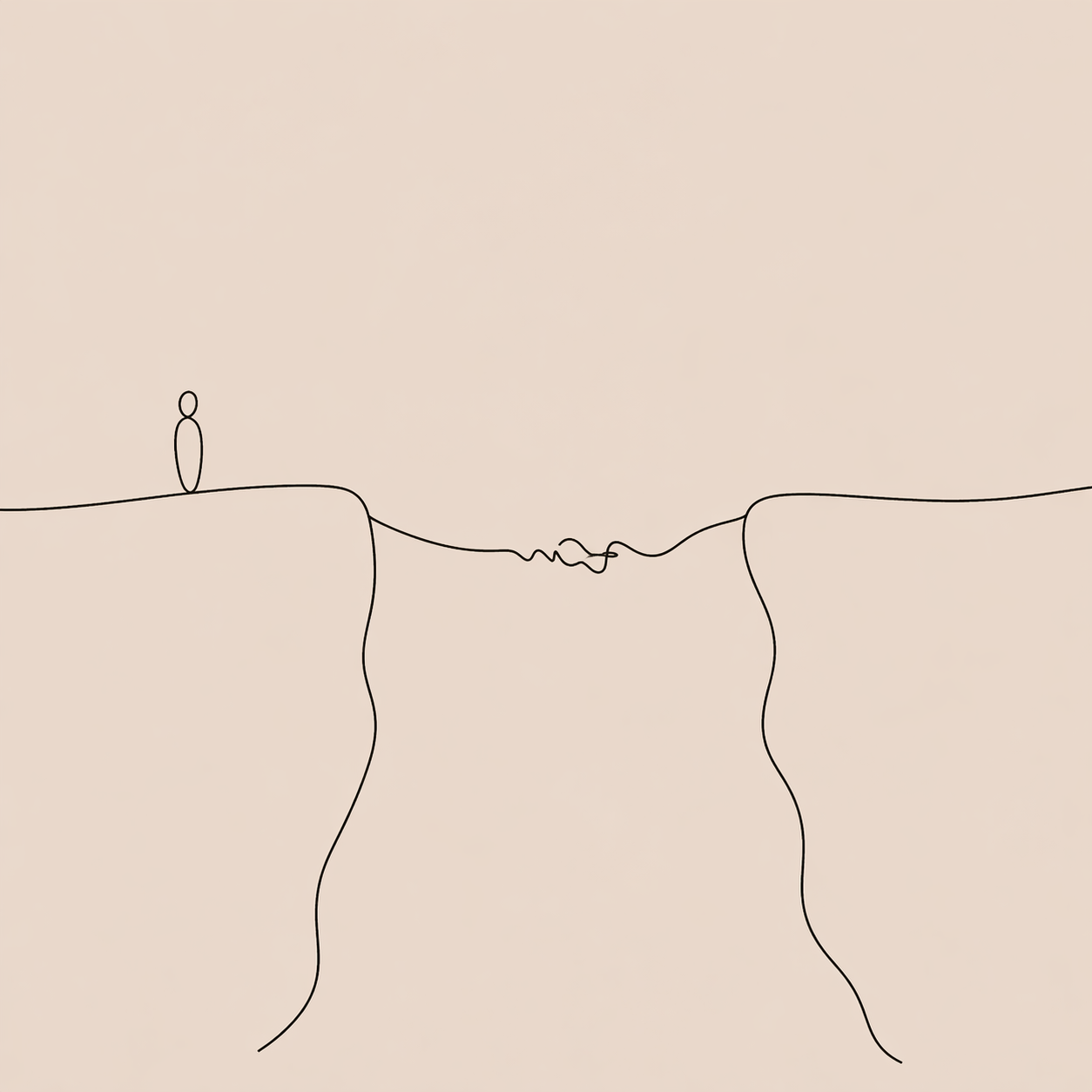
When Accepting Help Feels Hard
Accepting help isn’t always as simple as it sounds. Someone might ask, “Is there anything I can do?” and there’s a pause, because part of you wants to say yes. You need to help, so you almost say “Actually, it would be really helpful if…”, but then your mind starts going, and it’s like wait, no, that’s too much. I don’t want to burden them. I should be able to do this myself. What if this comes with something later, or I owe them back in return? So, instead, you just say “I appreciate it, but I’m good. Thank you so much though!” and then you move on, even though you’re actually not good.
What Happens Next
So, you just keep doing things on your own. You problem-solve, push through, and take on more than you probably should, telling yourself it is fine because you have handled things alone before, and you don’t actually need help and should be able to do it by yourself. Even when it starts to feel like a lot, even when it feels truly impossible for one person to carry, it still feels safer to keep going than to accept or ask for help. Because asking means risking something. It means wondering if it will come back up later, if there was something behind it, if you’ll owe someone afterwards. It means taking up space. It is the fear that accepting support would make you too much for someone else.
Where This Comes From
Maybe when you needed help during your childhood or in past relationships, it was met by others with frustration, anger, or as an unnecessary stressor. Needing anything was a burden, so you learned to stop needing things. You started to figure things out on your own, handle things yourself, and even prioritize taking care of others before even considering what help you needed.
And on the rare occasions when you did ask for help, only when things got to a point where you genuinely could not carry it anymore, it didn’t always go well. The vulnerable, scary act of voicing a need was met with frustration about why you didn’t say anything sooner, or some other form of blame, which just reinforced what part of you already believed: that needing help wasn’t safe either way. It’s easier not to need anything at all than to risk what might come with it.
Why This Continues
Doing everything by yourself is exhausting, yet it offers a feeling of safety. It is on your timing, your conditions. You know what to expect. You do not have to rely on anyone else, and you don’t risk being disappointed, having it held against you later, or being seen as too needy or too much.
Asking for help requires trust: that the person will actually show up, won't make you feel worse, and won't make you pay for it later. And if your experience has taught you that those things are not guaranteed, why would you take that chance?
So you just keep doing it yourself. Because at least that way, it is predictable. And predictability, even when it is hard, feels a lot safer than vulnerability.
Something Different Is Possible
This isn’t about forcing yourself to ask for help before you’re ready, or deciding overnight that vulnerability suddenly feels okay. It’s slower than that, and more complicated. But it can start with recognizing that the way you learned to move through the world made sense, given what you experienced. You weren’t wrong to protect yourself. You were responding to something real.
The work is in slowly learning that not every relationship operates the same way. That needing something doesn’t automatically mean you’re a burden. That asking doesn’t always come with a cost. That there are people, and spaces, where it is actually safe to take up room.
That’s what therapy can be. Not a place where you have to have it together or explain yourself perfectly, but a space where you can start to practice something different. Where your needs aren’t too much. Where asking for help is, maybe for the first time, met with something other than frustration or blame. It’s met with acceptance, understanding, validation, and support.
Why Setting Boundaries Can Feel Unsafe, Not Just Hard
If setting boundaries makes you feel anxious, guilty, or like you’re doing something wrong, you’re not alone. This post breaks down why boundaries can feel unsafe and how to begin approaching them in a way that feels more manageable and supportive.
────────── ✦ ──────────
The Internal Experience
When you think about setting a boundary, your first thought might not even be about what you need. It might be about how the other person is going to react. Are they going to be upset, disappointed, hurt? Are you being selfish for even thinking about this?
Before you’ve even figured out what you want to say, you’re already anticipating their reaction. You might start thinking about how to word it perfectly, how to soften it, or whether you should say anything at all.
It can quickly stop being about the boundary you need to set and start becoming about the other person’s experience.
You’re trying to prepare for how they might react before you’ve even given yourself space to figure out what you actually need or want to communicate.
What It Looks Like in Real Life
This can show up in ways that are easy to miss at first.
You’re about to say something honestly or express what you need, but you pause. You start thinking about how the other person might be feeling first. If they seem stressed, overwhelmed, or off in any way, you decide to wait or not say anything at all.
Or you finally do say something, but it comes out softened. You apologize, add things to make it feel less direct, or follow it with something like “it’s okay if not” or “no worries at all,” even if it actually does matter to you.
Sometimes it looks like saying yes when your entire body is telling you no, because it feels easier than dealing with the possibility that the other person might be upset or disappointed.
And over time, these moments add up. The boundary doesn’t get set, and your needs keep getting pushed aside.
Where This Comes From
For many people, this pattern develops over time in environments where putting your needs first was not encouraged or did not feel safe. It can start in childhood, past relationships, family dynamics, or even certain work environments.
You may have learned, directly or indirectly, that taking up space, having needs, or prioritizing yourself wasn’t allowed. That it was better to keep the peace, make sure everyone else was okay first, or avoid doing anything that might create tension.
You may have also learned to be highly attuned to other people’s emotions, to anticipate reactions, or to adjust your behavior in order to maintain connection or avoid conflict.
These responses are not random. They are often learned ways of navigating relationships that once served a purpose, even if they no longer feel sustainable now.
Why It Feels Unsafe
Setting a boundary is not just about learning a new skill or saying something differently. It can feel like you are going against something your system has relied on for a long time.
There can be a fear of how the other person will respond. You might find yourself bracing for them to be upset, disappointed, hurt, or angry. For some people, it can even feel like you might get in trouble, or that the relationship itself could be at risk.
Even if those outcomes aren’t actually happening in the present, your body and mind can respond as if they are possible. That’s what can make boundaries feel unsafe, not just hard.
The Cost of Not Setting Boundaries
When boundaries feel unsafe, it can feel easier to avoid setting them altogether.
You may say yes when you mean no, go along with things you don’t want to do, or push past your own limits to keep things smooth for others. Sometimes it’s saying yes even when your entire body is telling you no, because it feels easier than dealing with how the other person might react.
Over time, this can lead to emotional exhaustion, burnout, and a sense of being overextended. There may be a quiet resentment that builds, especially toward people you care about, alongside feeling unseen or unacknowledged.
And somewhere in that, it can become harder to stay connected to what you actually want, when your focus has been on everyone else for so long.
A Different Way to Understand Boundaries
Boundaries are often misunderstood as rigid rules or ways of pushing people away.
In reality, they are a form of communication. They help clarify what you are okay with and what you are not, and give people information about how to be in a relationship with you in a way that feels respectful and sustainable.
They’re not meant to harm the relationship. If anything, they help maintain it and allow it to feel more mutual and balanced over time.
Without boundaries, relationships can become imbalanced, leading to miscommunication, unmet needs, and disconnection. This is often where resentment starts to build, especially when the other person doesn’t even realize that something isn’t okay for you.
For some people, it might not feel like you’re even allowed to have boundaries, especially if you’ve been in environments where that wasn’t supported. That doesn’t mean you don’t deserve them. It just means this is something that can take time to understand and practice.
Where to Start
This doesn’t have to happen all at once.
For many people, it can feel safer to start with internal boundaries first. That might look like paying attention to your energy, noticing when you feel overwhelmed, or recognizing when your body is telling you something doesn’t feel right.
It can be as simple as giving yourself permission to rest, saying no to something small, or setting limits with your time or habits. Things like not checking your email after a certain time, putting your phone on do not disturb, or choosing not to attend something you don’t actually want to go to.
Part of this is also learning to identify your own needs, which can take time if you’re used to focusing on everyone else. Your body is often the first place this shows up, whether that’s feeling exhausted, overwhelmed, or resentful.
Starting here can help build self-trust, which makes it feel more possible to begin expressing boundaries with others over time.
If This Feels Familiar
If you recognize yourself in this, you are not alone. This is a pattern that develops for a reason, and it is something that can be understood and gradually shifted over time.
This doesn’t mean you’re bad at boundaries or that something is wrong with you. It means there’s a reason this feels difficult, and even unsafe.
You may have learned, at some point, that taking up space or putting your needs first wasn’t allowed, and your system adapted to that.
There is nothing wrong with you for responding in a way that once helped you navigate your environment.
You don’t have to do it all at once. You’re allowed to take this slowly, and you’re allowed to take up space in a way that feels authentic to you.
Your needs matter, and they are worth listening to.
Why You Feel Responsible For Other People’s Emotions
If you feel responsible for other people’s emotions, you’re not alone. This post explores where this pattern comes from, how it shows up in your life, and how it can begin to change.
────────── ✦ ──────────
Being responsible for other people’s emotions is not a conscious choice or pattern that we often notice. It becomes a reflex and an automatic response that we learned (without knowing that we learned it in the first place). Many people can remember where and when they learned how to drive, when they had their first date, their first embarrassing moment in high school, or accidentally calling their teacher “mom” in elementary school. How many of us remember the moment we learned that we needed to be the peacekeeper and caretaker for the needs and feelings of everyone around us?
The internal experience can look and feel like noticing the slight shift in someone’s tone, their use (or lack thereof) of punctuation in a text message, mentally tracking someone’s body language, adjusting your own tone and energy in real-time to match theirs, and overall feeling a sense of responsibility to figure out why someone seems not okay and what you need to do to fix that.
What this actually looks like
This might show up in small, quiet ways every day. Like when you walk into a room, whether it be friends or colleagues or your significant other, and you’re about to say something honestly or share exciting news - but you pause and scan everyones mood to see how you should act and whether its appropriate for you to take up space or if someone seems bored or lonely you need to attend to them first and then someone else looks like they’re upset so you want to offer them support and a listening ear and before you know it, you never shared your news, never got to show up as someone other than a fixer and good listener, and there wasn’t room for you to consider what you wanted the experience to be.
But it’s familiar, and you're good at it, so it must be okay, right? Or when you do take the brave step of sharing something vulnerable (after practicing and rehearsing, days and weeks of internal conflict of if you’re overreacting or if your thoughts and emotions are actually valid because if they aren’t shouldn’t you just let it go?) so then you check the other persons mood and ask about their day to see if now is a good time to express yourself because you want to make sure the other person is in a good space to receive hearing about (god forbid) YOUR emotions, so you also pause and change how you say it so it lands better, constantly apologizing during the entire process as if you are causing harm for existing or sharing how you feel about the movie you didn’t like last night or how you didn’t actually want to attend that 6 hour dinner where you knew no one and really wanted to attend this event that you’ve been looking forward to for months. The original needs and feelings go unnoticed, silenced, and reduced to make others feel better.
So where does this come from?
Maybe you grew up having to silence your needs, make sure everyone else was okay first, and hide your own emotions so you didn’t add more stress to your parents, especially if they were coming to you to vent. That isn’t fair, and it often meant holding onto the emotional labor of adults as a child, learning pretty quickly how to show up as the fixer, the people-pleaser, the mediator, the peacekeeper, the “easy” one. You learn to read the room, adjust yourself, and make sure everyone else is okay because it feels like that’s your role, and over time, that doesn’t feel like something you learned, it just feels normal, expected, like second nature, like it’s your responsibility to carry other people’s emotions even when it was never yours to hold in the first place.
Why you keep doing this (even when you don’t want to)
It’s hard to let go of this because if you don’t, people will be mad, disappointed, leave, call you selfish, say you’re too needy or too much. So instead, you end up repeating the pattern, saying yes, not having boundaries, not knowing your own needs and wants and that you are allowed to have them.
And over time, that doesn’t just go away. It builds. Quietly, but strongly. There is resentment that builds up quietly but strongly over time, because when the hell is it going to be your turn to receive care and attunement? It turns into anger, burnout, frustration, and sadness.
If this feels familiar
If this feels familiar, you are not alone, and maybe this is the first time you’re putting words to something you’ve always felt. You deserve to feel heard, seen, validated, and held. It’s not your fault, you aren’t broken, and you’ve likely been showing up a certain way to be accepted by others. You don’t have to do that in the same way anymore, and you are allowed and deserving to take up space authentically without silencing yourself for the sake of others. You deserve care too, the same level of care you’ve been giving to others.
In therapy, this can start to look like naming and noticing the pattern, recognizing when it happens, having self-compassion for yourself when you do notice it rather than being self-critical about it, being appreciative for the role it once served but now letting that part know it is allowed to show up and respond in different ways/behaviors/actions, and learning that putting yourself first isn’t selfish, it is healing. You don’t have to figure this out on your own.